
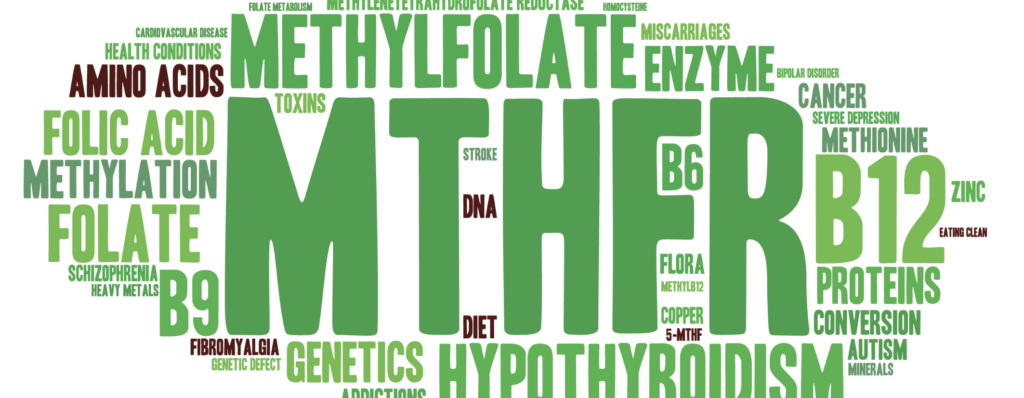
Energy, detoxification, brain health, immunity, vascular resilience and healthy ageing
Executive Summary
Methylation is one of the body’s central control cycles. It operates quietly inside cells every second of the day, yet it shapes the areas of health that people feel most deeply as they age: steady energy, clear thinking, stable mood, cardiovascular resilience, detoxification capacity, immune balance, hormone clearance, DNA repair and the pace at which the body moves toward health or decline.
At the centre of this cycle is a simple biochemical action: the transfer of a methyl group, a tiny carbon-and-hydrogen tag, from one molecule to another. Although this action is small, its effect is large because methyl groups act like biological instructions. They help determine how genes behave, how neurotransmitters are made and cleared, how cell membranes remain flexible, how toxins are packaged for removal, how inflammation is restrained and how repair keeps pace with daily damage.
This is why methylation deserves more attention than it usually receives. In conventional clinical practice, it is rarely reviewed as a core biological control system. Homocysteine may be checked, but it is often treated narrowly as a B-vitamin issue. Because there is no standard drug that directly “fixes methylation,” the deeper pattern is often left unexplored. Yet the evidence is clear enough to take the signal seriously: elevated homocysteine is linked with endothelial dysfunction, oxidative stress, inflammation and clotting biology. At the same time, trials show that simply lowering homocysteine with B vitamins does not reliably prevent cardiovascular events for everyone. The lesson is important. The number matters, but the pattern matters more.
When methylation flows well, the body has options. It can make energy, repair tissue, regulate stress chemistry, recycle nutrients, clear waste and protect blood vessels without constantly borrowing from the future. When methylation becomes slow, congested or poorly supplied, the body compensates. This is why early imbalance often feels vague: fatigue, brain fog, irritability, poor stress tolerance, slow recovery, sleep disruption, histamine sensitivity, vascular strain or a sense that the body is ageing faster than it should.
In functional health coaching, methylation is read as a fundamental biological process: methylation is part of the aging and repair terrain, not merely a vitamin marker. The practical value of methylation is that it can be read before disease is obvious. Homocysteine, folate, B12, B6, riboflavin, choline, betaine, magnesium, inflammation, thyroid function, kidney function, gut absorption, medication history and genetic efficiency all provide clues. The real skill is knowing what the pattern is saying. A high homocysteine result is a message that the body’s recycling, repair, detoxification or clearance systems may be under pressure.
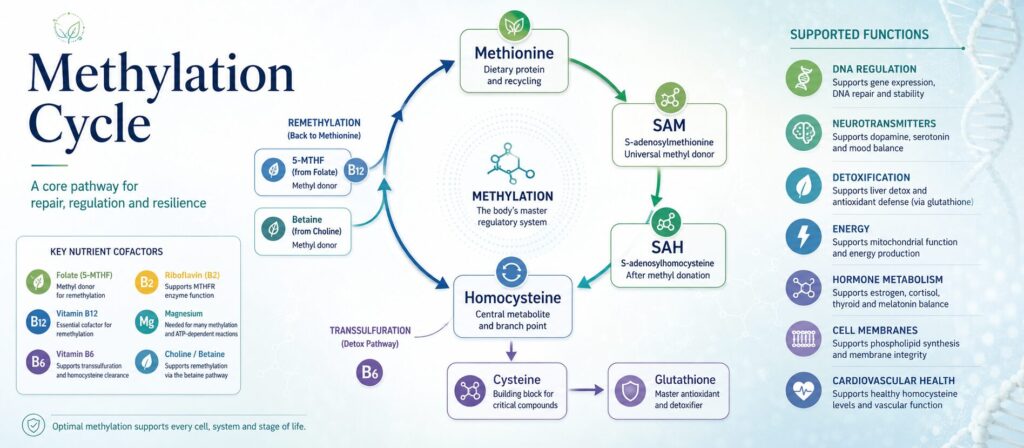
This white paper explains methylation as a living control system. It shows how methionine becomes SAM, how SAM becomes SAH, how SAH becomes homocysteine, and how homocysteine must either be recycled back into methionine or moved down into glutathione production. It also explains why absorption, digestion, stomach acid, intrinsic factor, bile flow, pancreatic function, gut inflammation, medication use, stress physiology and nutrient form decide whether nutrients actually become useful inside the cell.
The key message is not a quick supplement topic. It is biological cycle study, pattern recognition and an early decision point. When this cycle is understood, the body can be guided back toward resilience before functional decline becomes visible disease.
Methylation, the Body’s Regulatory Language
Methylation is one of the body’s main pathways of regulation. Every cell uses methylation reactions to decide what to build, what to switch off, what to repair, what to detoxify and what to prioritise under stress. In that sense, methylation is a control system that connects diet, digestion, energy metabolism, liver function, brain chemistry, immune tone and aging biology.
The body is constantly exposed to inputs. Food brings amino acids, fats, minerals, vitamins and plant compounds. Stress changes hormones and neurotransmitters. Exercise creates repair signals. Sleep resets inflammatory and metabolic rhythm. Environmental chemicals add detoxification demand. Infection or chronic inflammation increases oxidative pressure. Methylation helps the body interpret these inputs and turn them into adaptive responses.
This is why methylation dysfunction can appear in many different ways. In one person, the main sign may be elevated homocysteine and vascular risk. In another, it may show as low mood, poor concentration or anxiety because neurotransmitter turnover is unstable. In another, it may appear as poor detoxification, hormone congestion, histamine intolerance, low glutathione, slow recovery or immune imbalance. The same core cycle can express itself through different systems because it sits upstream of many outcomes.
The functional approach therefore starts by asking a better question. Instead of asking only which supplement lowers homocysteine, it asks why the methylation system is under strain, where the bottleneck sits, whether the person is absorbing nutrients properly, whether the body has enough ATP and magnesium to run the cycle, whether inflammation is suppressing enzymes, whether stress is draining reserves, and whether the exits from homocysteine are open.
Good methylation about restoring biological flow so that repair, detoxification and regulation can happen without excessive strain. When that flow improves, people often describe the change in practical terms: more stable energy, clearer thinking, calmer mood, better recovery, improved sleep rhythm and a stronger sense that their body is working with them again.
The Methylation Cycle: Reading the Map Correctly
1. Methionine: the entry point
The methylation cycle begins with methionine, an essential amino acid obtained from dietary protein. Essential means the body cannot make enough of it from scratch and must receive it through food. Methionine is present in animal proteins such as eggs, fish, poultry, meat and dairy, and it is also present in some plant foods, although the total amino acid pattern and digestibility differ by food source.
Methionine is a building block for muscle or tissue and the ignition point for the methylation cycle. Once methionine enters the cell, it is activated into S-adenosylmethionine, known as SAM. This step requires magnesium and ATP, the body’s immediate energy currency. That detail matters because it shows why methylation cannot be solved by vitamins alone. A tired, inflamed, sleep-deprived or mineral-depleted body may have enough nutrients on paper yet still struggle to convert them into function.
2, SAM: the primary methyl donor
SAM is the body’s main methyl donor. It carries methyl groups and transfers them to hundreds of reactions. Each transfer is like a precise instruction. SAM supports DNA methylation, neurotransmitter balance, phosphatidylcholine production for cell membranes and bile flow, creatine production for energy buffering, hormone metabolism, detoxification reactions and immune regulation.
When SAM is adequate and moving, the body has regulatory capacity. When SAM is low, or when the system is blocked downstream, the body begins to ration methylation. Short-term survival chemistry receives priority while long-term repair loses ground. This is one reason chronic stress and poor sleep from methylation deficiency can slowly erode health, even when routine blood tests appear acceptable.
3. SAH: the brake that must clear
After SAM donates its methyl group, it becomes S-adenosylhomocysteine, known as SAH. SAH is a powerful brake on methylation. When SAH accumulates, it inhibits methyltransferase enzymes, which means that methylation reactions slow even if SAM production appears reasonable.
This is why the relationship between SAM and SAH is so important. A healthy system is not simply one that makes SAM; it is one that donates methyl groups, clears SAH and prevents feedback inhibition. If SAH rises, methylation becomes congested. The person may then appear to need more methyl donors, but the real issue may be poor clearance, oxidative stress, kidney strain, inflammation, low B vitamin function or impaired homocysteine disposal.
4. Homocysteine: the sensitive junction
SAH is converted into homocysteine. Homocysteine is produced inside the body as part of methionine metabolism. It is meant to be temporary. In a healthy system, homocysteine quickly moves through one of two routes. It can be recycled back into methionine, preserving methylation capacity, or it can be directed downward through transsulfuration to support cysteine and glutathione production.
When homocysteine accumulates, it is a signal that traffic is building up at a major junction. It may reflect low folate activity, low B12 function, low B6 function, poor riboflavin status, low choline or betaine support, kidney impairment, thyroid issues, inflammation, oxidative stress, medication effects, genetic inefficiency, alcohol excess or simple nutrient-poor eating. The marker is useful because it gives an early warning, but it must be interpreted in context.
Absorption: Why Nutrients Do Not Always Become Function
A major weakness in many methylation discussions is the assumption that taking a nutrient is the same as absorbing it, and that absorbing it is the same as using it inside the cell. In real biology, these are separate steps. A person may eat folate-rich foods but fail to release and absorb folate efficiently. A person may take B12 but still have low cellular B12 function because stomach, intrinsic factor, pancreatic, ileal or medication factors are in the way. A person may take methylfolate but feel overstimulated because the nervous system, potassium balance or downstream pathways were not ready.
A functional nutrition coach looks at absorption before intensity. This is how good outcomes are protected. Methylation support works best when digestion, minerals, protein adequacy, bile flow, gut integrity and nervous-system state are aligned with the supplement plan.
Vitamin B12 absorption
Vitamin B12 is one of the most important methylation nutrients because it supports the recycling of homocysteine back into methionine through the methionine synthase pathway. However, B12 absorption is complex. B12 in food is attached to protein. It must first be released in the stomach with the help of stomach acid and digestive enzymes. It then binds to carrier proteins, later binds to intrinsic factor produced by stomach parietal cells, and is absorbed mainly in the last part of the small intestine, the ileum.
This pathway explains why B12 deficiency or functional insufficiency can happen even when dietary intake seems adequate. Low stomach acid, ageing, gastritis, pernicious anaemia, gastric surgery, bariatric surgery, ileal disease, inflammatory bowel disease, celiac disease, pancreatic insufficiency, small intestinal bacterial overgrowth, long-term proton pump inhibitor use and metformin use can all reduce B12 availability or function. In these situations, the right answer may not be simply “take more B12”; the right answer may be choosing the correct form, route, dose and monitoring plan while also addressing the digestive cause.
For practical coaching, B12 is assessed through diet history, symptoms, medication history, blood B12, active B12 when available, methylmalonic acid when appropriate, homocysteine, full blood count patterns, neurological symptoms and digestive risk. Serum B12 alone can be misleading because it may appear normal while cellular use is still compromised. This is why a coach does not rely on one number in isolation.
Folate and 5-MTHF absorption
Folate is the broader family of vitamin B9 compounds found in foods such as leafy greens, asparagus, avocado, liver and legumes. Natural food folates often need to be processed by intestinal enzymes before absorption. Folic acid is the synthetic form used in many fortified foods and supplements. 5-MTHF, or methylfolate, is the active circulating form that can directly support the remethylation pathway.
For some people, 5-MTHF is better tolerated and more direct than folic acid, especially when conversion efficiency is reduced. However, form still has to match the person. Methylfolate can be powerful. Used well, it can lower homocysteine and restore flow. Used too aggressively, especially in a person with anxiety, insomnia, low B12, low potassium tendency, low magnesium, histamine issues or poor transsulfuration support, it can feel like the system has been pushed rather than supported.
The decision is therefore not only “folic acid versus methylfolate.” It is whether the person needs folate first, B12 first, riboflavin support, magnesium, protein, choline, betaine, B6, digestive repair, or nervous-system regulation before higher-dose methyl donors are introduced. The form is important, but the sequence is often decisive.
Vitamin B6 and transsulfuration
Vitamin B6, especially in its active form pyridoxal-5-phosphate, helps drive the transsulfuration pathway. This is the route that moves homocysteine toward cystathionine, cysteine and then glutathione. Glutathione is one of the body’s key intracellular antioxidants and detoxification protectors. It helps buffer oxidative stress, support immune function, protect mitochondria and assist liver clearance.
B6 support must also be individualised. Too little may reduce transsulfuration capacity. Too much, particularly in long-term high doses, can cause problems such as nerve symptoms in susceptible people. The coach’s role is to understand the need, use sensible dosing, avoid stacking many hidden B6 products, and monitor symptoms and labs over time.
Riboflavin, choline, betaine and magnesium
Riboflavin, vitamin B2, supports the MTHFR enzyme because this enzyme uses a riboflavin-derived cofactor. This matters particularly in people with reduced MTHFR efficiency, where riboflavin status may influence homocysteine handling and, in specific genetically susceptible groups, blood pressure regulation. This does not mean everyone needs high-dose riboflavin. It means riboflavin is a quiet but important part of the map.
Choline and betaine offer an additional route for recycling homocysteine through the BHMT pathway, mainly in the liver and kidney. This route does not require folate or B12 in the same way as methionine synthase. It provides a useful backup system, particularly when dietary choline is low, liver fat metabolism needs support, or methylation demand is high. Eggs, liver, fish and meat are rich choline sources, while betaine can also be obtained from foods such as beetroot and spinach, though therapeutic decisions depend on the person’s full pattern.
Magnesium is required for the conversion of methionine to SAM and also supports ATP biology, muscle relaxation, vascular tone, sleep quality, glucose handling and stress regulation. In methylation work, magnesium is not an accessory nutrient. It is part of the operating system.
SAM, SAH and the Methylation Brake
SAM is often described as the fuel of methylation, but the better description is that it is the main currency of methylation. It is spent whenever methyl groups are donated. That spending is useful only if the system can regenerate currency and clear the downstream product. This is why SAM and SAH must be read together whenever advanced testing is available.
A high-quality methylation assessment asks whether SAM is adequate, whether SAH is excessive, whether the SAM-to-SAH relationship is favourable, and whether homocysteine is clearing. If SAM is low, the system may need methionine adequacy, protein sufficiency, magnesium, ATP restoration, B vitamin support or reduced stress demand. If SAH is high, the issue may be downstream congestion. Pushing more methyl donors into a blocked system may worsen symptoms or fail to improve the underlying ratio.
This is where the coach’s interpretation becomes valuable. The goal is not to stimulate methylation blindly but restore flow. In practical terms, that often means improving sleep and glucose stability, reducing inflammatory load, correcting digestive absorption, supporting magnesium and riboflavin, ensuring B12 is functional, introducing folate gradually if needed, opening the transsulfuration route with appropriate B6 and protein support, and retesting when the pattern has had time to change.
Homocysteine: The Junction Between Repair and Damage
Homocysteine is one of the most useful early markers in functional health because it sits at the crossing point between methylation, cardiovascular biology, brain function, detoxification and antioxidant defence. It is a pressure signal. When the body is clearing homocysteine well, it remains low and transient. When clearance slows, homocysteine rises and begins to reflect a wider loss of biochemical efficiency.
At the vascular level, elevated homocysteine is associated with irritation of the endothelial lining, oxidative stress, reduced nitric oxide availability, impaired vessel flexibility and greater demand on repair systems. At the brain level, it can reflect reduced methylation support for neurotransmitter balance and membrane health. At the cellular level, it often points to rising oxidative load and weaker glutathione production. At the ageing level, it suggests that regulatory chemistry is losing margin.
However, homocysteine must be interpreted carefully. Lowering it with folate and B vitamins can improve the number, but clinical outcome data are mixed, especially in people with established cardiovascular disease. In functional nutrition, homocysteine is used as one part of a wider map that includes diet, absorption, inflammation, insulin status, kidney function, thyroid status, genetics, oxidative stress, medication use and total cardiovascular risk.
The Two Exits: Recycling and Glutathione
1. The recycling route
The first exit from homocysteine is recycling back into methionine. This route preserves methylation capacity and replenishes SAM. The folate-B12 dependent pathway uses active folate and B12 to convert homocysteine back to methionine. The BHMT pathway uses betaine, derived from choline or taken directly, to provide an alternative methyl group source, mainly in liver and kidney tissue.
When recycling works, the cycle remains continuous. Homocysteine does not linger, methionine is regenerated and SAM production is protected. When recycling is weak, homocysteine rises, SAH can accumulate and methylation slows. The solution depends on the cause. Low folate needs one kind of support. Low B12 absorption needs another. Poor choline intake needs another. MTHFR inefficiency may need riboflavin and active folate. High stress demand may require nervous-system regulation before methyl donors feel comfortable.
2. The glutathione route
The second exit is transsulfuration. This route moves homocysteine down toward cysteine and glutathione. Glutathione is central to antioxidant protection, detoxification, immune balance and mitochondrial resilience. It is especially important under modern pressure because the body is constantly managing pollutants, alcohol, medications, infections, inflammation, psychological stress, overtraining, poor sleep and metabolic strain.
If the recycling route is supported but transsulfuration is ignored, the system can become brittle. Homocysteine may improve, yet oxidative stress and detoxification capacity may remain weak. If transsulfuration is supported without adequate methylation recycling, glutathione may improve but SAM availability may remain unstable. A balanced programme respects both exits. This is one of the differences between a supplement list and a coached strategy.
Why Methylation Breaks Down in Modern Life
Methylation rarely fails for one reason. It usually erodes under combined load. The modern professional may eat too quickly, sleep too little, live under constant sympathetic drive, rely on caffeine, drink alcohol socially, sit for long periods, train hard without recovery, absorb nutrients poorly, use medications that affect B vitamin status, carry inflammation, and assume that normal routine tests mean the body is functioning optimally. Over time, the cycle loses margin.
Chronic stress is a major driver because it changes priority. Under stress, the body shifts toward immediate survival: cortisol rhythm changes, adrenaline rises, glucose output increases, muscles tighten, sleep becomes lighter and ATP is diverted toward short-term demand. Magnesium and B vitamins are used faster. The nervous system becomes less flexible. Methylation may then slow because the body is operating in defence mode.
Diet quality also matters. A diet can be high in calories yet low in functional nutrients. Ultra-processed foods, refined carbohydrates, industrial oils, low protein intake, low choline intake, low magnesium intake, low leafy green intake, low seafood intake and low organ food intake can all reduce methylation support. Conversely, a disciplined diet can still miss the mark if it is too narrow, too low in minerals, too low in total protein, too low in choline, or poorly matched to digestive capacity.
Gut health is another major factor. The gut is where nutrients are released, transformed, absorbed and tolerated. Low stomach acid can impair protein digestion and B12 release. Bile insufficiency can compromise fat digestion and cell membrane nutrient absorption. Pancreatic insufficiency can reduce protein and nutrient breakdown. Inflammation, celiac disease, inflammatory bowel disease, SIBO, parasites or dysbiosis can interfere with absorption and increase immune demand. When the gut is inflamed, methylation demand rises while nutrient supply often falls.
Environmental load adds another layer. Detoxification uses methylation, sulfation, glucuronidation, glutathione conjugation and other pathways. Heavy metals, solvents, pesticides, mould toxins, air pollution, excess alcohol and medication burden can increase demand. The liver can do extraordinary work, but it needs amino acids, B vitamins, magnesium, sulfur compounds, antioxidants, sleep and bile flow to keep up.
Finally, genetics can reduce reserve. Variants in MTHFR, MTR, MTRR, CBS, COMT, BHMT and related enzymes can influence methylation efficiency, neurotransmitter handling, homocysteine clearance and tolerance to methyl donors. Genes do not determine destiny, and genetic testing is often overused. But when interpreted intelligently, genetics can explain why two people respond differently to the same food or supplement. The coaching skill is to treat the person, not the polymorphism.
What a Functional Nutrition Coach Looks For
A functional nutrition coach begins with pattern recognition. The body gives clues through symptoms, history, labs, food preferences, medication use, sleep rhythm, stress response, training recovery, family history and the way the person responds to previous interventions. Methylation work becomes powerful when these clues are organised into a clear map.
The first layer is the story. When did fatigue, anxiety, brain fog, poor recovery, high homocysteine, histamine issues, high blood pressure, sleep disruption or inflammation begin? What changed before that? Was there a period of intense work stress, infection, gut disruption, medication use, dietary restriction, alcohol increase, weight gain, weight loss, overtraining or trauma? Biology has chronology. The timeline often explains the mechanism.
The second layer is intake. The coach looks at protein quality, total methionine intake, choline intake, folate foods, B12 foods, riboflavin foods, magnesium intake, alcohol, coffee, refined carbohydrate load, ultra-processed foods, fasting pattern, ketogenic or plant-based pattern, and whether the diet is being absorbed. A person can eat a “healthy” diet and still lack the exact nutrients needed for methylation flow.
The third layer is digestion and absorption. Symptoms such as bloating, reflux, constipation, loose stools, greasy stools, early fullness, food reactions, low appetite, unexplained deficiencies, anaemia patterns or low ferritin can indicate that intake is not becoming availability. The coach may then recommend appropriate medical evaluation or functional testing where needed.
The fourth layer is stress and nervous-system regulation. Methylation is sensitive to the state of the body. A calm, well-slept body uses nutrients differently from a wired, under-recovered body. Breathwork, HRV training, sleep rhythm, morning light, recovery spacing, gentle movement and strength training all become methylation tools because they change demand and ATP availability.
The fifth layer is outcome tracking. The coach looks for both biochemical change and lived change. Better homocysteine matters, but so do clearer thinking, steadier mood, improved sleep, reduced cravings, better recovery, calmer blood pressure readings, improved exercise tolerance and a stronger sense of resilience.
Testing, Interpretation and Decision-Making
Testing is useful when it answers a decision. The purpose of methylation testing is to reduce guesswork, identify the bottleneck and choose the safest effective sequence.
Core markers
Methylation should not be read from one blood marker alone. It is a network. The coach reads homocysteine first, then cross-checks B12, folate, B6, riboflavin, magnesium, iron, liver, kidney, thyroid, inflammation, glucose-insulin and lipid markers to see where the system is blocked.
Homocysteine is the most practical starting marker because it sits at the methylation junction. It can either be recycled back into methionine to make SAM, the main methyl donor, or moved down the transsulfuration pathway to support glutathione and detoxification. Conventional elevation is usually above 15 µmol/L, but functional interpretation is tighter. A practical working range is about 6–9 µmol/L, with below 10 µmol/L often preferred in cardiovascular, cognitive, fertility, inflammatory or ageing-risk contexts. 10–15 µmol/L suggests methylation strain even if the lab calls it normal. Above 15 µmol/L needs clear investigation. Below about 5 µmol/L is not automatically better and may suggest low protein intake, low methionine flow, weak sulfur metabolism or over-suppression.
Homocysteine must be read with context. If it is high with low or borderline B12, the issue may be poor B12 intake, absorption or cellular delivery. If it is high with low folate, methyl group supply may be weak. If it is high with poor kidney function, clearance may be part of the problem. If it is high with thyroid under-function, metabolism may be slow. If it is high with raised inflammation, oxidative stress, high ferritin, alcohol use, poor sleep or chronic stress, demand may be higher than supply. The number tells us there is pressure. The pattern tells us why.
Serum B12 gives a rough view of circulating B12, but it does not prove that B12 is reaching the cells. Many labs flag deficiency below about 200 pg/mL, while 200–350 pg/mL is often a grey zone. Functionally, many practitioners prefer serum B12 to sit at least around 500–900 pg/mL, depending on symptoms, supplementation and clinical history. A very high B12 result can simply reflect supplementation, but if there is no supplementation it should be interpreted with liver function, inflammation, blood count and medical context.
Active B12, also called holotranscobalamin, is often more useful because it reflects the fraction of B12 available to cells. Low active B12 suggests poor delivery even when serum B12 appears acceptable. Where available, it helps separate “B12 in the blood” from “B12 the body can use.”
Methylmalonic acid, or MMA, is a functional B12 marker. When B12 is insufficient inside cells, MMA tends to rise. This is why MMA can expose B12 deficiency even when serum B12 looks normal. High MMA with high homocysteine points strongly towards B12 insufficiency. High homocysteine with normal MMA points more towards folate, B6, riboflavin, kidney, thyroid, inflammation, oxidative stress or methylation pathway strain.
Folate should always be read with B12. Folate helps recycle homocysteine back to methionine, but giving folate when B12 deficiency is missed can improve blood-cell markers while nerve risk remains unresolved. Low folate can raise homocysteine. Very high folate with low or borderline B12 needs caution. A practical approach is to correct B12 sufficiency first or at the same time, then support folate in the right form and dose.
Full blood count gives important clues. Large red blood cells, reflected by raised MCV, may suggest B12 or folate deficiency, although alcohol, liver stress, thyroid issues and medication effects can also contribute. Low haemoglobin or abnormal red-cell indices may show that methylation, iron, B12, folate or inflammation are affecting blood formation. A normal blood count does not rule out early B12 or methylation problems, especially when neurological, mood, energy or cardiovascular signs are present.
Vitamin B6 supports the pathway that moves homocysteine towards cysteine and glutathione. If B6 is low, homocysteine may stay high because it cannot move efficiently through transsulfuration. Functionally, this matters for detoxification, antioxidant defence, histamine handling, mood chemistry and inflammation control. Too much B6 can also cause problems, so the aim is sufficiency, not excess.
Riboflavin, or vitamin B2, supports MTHFR activity, which helps produce 5-MTHF, the active folate form used to recycle homocysteine. If riboflavin status is weak, folate metabolism may underperform even when folate intake looks adequate. This is especially relevant when homocysteine remains elevated despite B12 and folate support.
Magnesium is required for many energy and enzyme reactions that support methylation. Low magnesium often appears indirectly through muscle tension, poor sleep, blood pressure reactivity, glucose dysregulation, cramps or low resilience rather than through a perfect single blood marker. If magnesium is weak, the methylation system may have nutrients available but still lack smooth metabolic energy.
Ferritin and iron pattern show whether iron is supporting oxygen and energy or driving oxidative stress. Low ferritin can weaken energy, thyroid function and repair. High ferritin, especially with high transferrin saturation or inflammation, may increase oxidative stress and raise methylation demand. In that setting, homocysteine may be only one signal of a wider inflammatory and vascular stress pattern.
Liver enzymes matter because the liver is a major site of methylation, bile flow, hormone clearance, detoxification and phosphatidylcholine production. Raised ALT, AST or GGT may suggest liver stress, fatty liver, alcohol impact, medication load, oxidative stress or poor detoxification capacity. If liver markers are under pressure, methylation demand often rises.
Kidney function must be checked because the kidneys help clear homocysteine. Creatinine, eGFR and urine markers help separate a methylation production problem from a clearance problem. High homocysteine with reduced eGFR should not be interpreted adequately.
Thyroid markers influence methylation because thyroid hormones set metabolic speed. Low thyroid function can slow turnover, reduce energy production and contribute to higher homocysteine. TSH, free T4, free T3 and thyroid antibody patterns give useful context, especially when fatigue, coldness, constipation, low mood or lipid changes are present.
Inflammatory markers, such as hs-CRP, ESR and sometimes ferritin, show whether the body is spending resources on defence. Inflammation increases oxidative stress and raises the need for methylation, glutathione, repair and immune regulation. High homocysteine with raised inflammation means the system is not just nutrient-deficient. It is under load.
Glucose-insulin markers matter because insulin resistance increases inflammation, oxidative stress, vascular stress and fatty liver risk. Fasting glucose, fasting insulin, HbA1c, triglycerides, waist size and CGM patterns help show whether methylation strain is being driven by metabolic overload. A person can have acceptable glucose but high insulin, which means the body is working too hard to keep glucose normal.
Lipid markers matter because methylation supports phosphatidylcholine production, bile flow, liver fat export and vascular protection. ApoB, LDL-C, HDL-C, triglycerides, non-HDL-C and Lp(a) should be read with homocysteine, inflammation, glucose-insulin status and blood pressure. High homocysteine with high ApoB, high triglycerides, inflammation or hypertension creates a stronger vascular risk pattern than any one marker alone.
The core principle: homocysteine shows pressure at the methylation junction, but the surrounding markers explain the cause. The coach reads the pattern, checks absorption and demand, supports the missing nutrients, reduces the load on the system, and then follows the trend until the biology moves better.
Advanced markers
When available, SAM, SAH and the SAM-to-SAH relationship can provide a deeper view of methylation potential and inhibition. A high SAH pattern may indicate that methylation reactions are being braked downstream. Organic acid testing may reveal B vitamin need, mitochondrial strain, oxidative stress, gut microbial metabolites or detoxification pressure. Genetic testing may help explain tendencies, but it should never replace functional assessment.
Food, Supplements and Sequencing
Food first, but not food only
Food provides the broad matrix that methylation needs: amino acids, minerals, vitamins, fats, polyphenols and cofactors that work together. Protein provides methionine and cysteine. Eggs and liver provide choline and B vitamins. Fish provides protein, B12 and omega-3 fats. Leafy greens provide folate and magnesium. Nuts, seeds and mineral-rich foods support magnesium. Colourful plants support antioxidant systems. A well-built diet reduces the need to force the system with isolated supplements.
However, food is not always enough when deficiency, malabsorption, medication effects, high demand or genetic inefficiency are present. This is where targeted supplementation becomes useful. The distinction is important. Supplements should not replace a functional foundation; they should correct specific bottlenecks and be removed, reduced or refined when the job is done.
Supplement form matters
B12 may be used as methylcobalamin, adenosylcobalamin, hydroxocobalamin or cyanocobalamin depending on the person, the goal and tolerance. Methylcobalamin is directly involved in methylation, adenosylcobalamin supports mitochondrial B12 function, hydroxocobalamin can be useful when methyl donors are not tolerated well, and cyanocobalamin is common and stable but not always the preferred choice in functional practice.
Folate may be used as folinic acid, folic acid or 5-MTHF depending on context. 5-MTHF is direct and often useful, but direct does not always mean best for every person at every dose. Folinic acid can be gentler for some. Folic acid has a public health role, especially in prevention of neural tube defects, but functional methylation work often asks whether the person can convert and use it efficiently.
B6 is often used as pyridoxal-5-phosphate when active support is needed, but dose control matters. Riboflavin may be important where MTHFR efficiency or blood pressure patterns suggest need. Magnesium form should match the person: glycinate for calming support, malate for energy-oriented support, citrate when constipation is also present, and threonate where brain-focused support is desired, while recognising that individual response varies.
When not to push methylation
There are times when aggressive methylation support is not the right first move. If the person is acutely stressed, sleeping poorly, inflamed, reacting to many foods, constipated, dehydrated, overtraining, deficient in B12, low in magnesium, or showing signs of poor detoxification tolerance, high-dose methyl donors may feel uncomfortable. Symptoms can include agitation, insomnia, headaches, palpitations, irritability, vivid dreams or a wired feeling. These reactions do not mean methylation is bad. They usually mean the dose, form or sequence is wrong.
The coach’s job is to make the intervention usable. That may mean using hydroxocobalamin before methylcobalamin, folinic acid before higher-dose methylfolate, magnesium before methyl donors, more protein before glutathione precursors, more bowel regularity before detoxification support, or more breath-led nervous-system regulation before any stimulating nutrient strategy.
The Coaching Pathway to the Best Outcome
Methylation is too central, too connected and too individualised to be handled by guesswork. A functional nutrition coach creates structure so the client does not waste months trying random supplements, reacting to doses that are too strong, or missing the real bottleneck.
The first step is clarity. The client needs to understand what methylation is, why it matters, what their symptoms may be saying and which markers are most relevant. Clear language reduces fear. It turns a complex pathway into a practical map. The client does not need to become a biochemist. They need to know what is happening, why it matters and what to do next.
The second step is assessment. The coach reviews the person’s diet, digestion, sleep, stress rhythm, exercise pattern, medical history, medication use, supplement history, family history and lab data. The coach looks for patterns that connect. For example, high homocysteine with low folate means one thing; high homocysteine with digestive symptoms and borderline B12 means another; high homocysteine with high stress, poor sleep and normal B vitamins means another; and normal homocysteine with high symptoms may require a different lens entirely.
The third step is prioritisation. The body can only adapt to so many changes at once. A good plan identifies the first domino. Sometimes the first domino is B12 absorption. Sometimes it is sleep. Sometimes it is magnesium. Sometimes it is protein. Sometimes it is alcohol reduction. Sometimes it is gut repair. Sometimes it is a medical referral. The right first move makes the second move easier.
The fourth step is implementation. The coach turns the science into daily behaviour: what to eat, when to eat, which foods to emphasise, which supplement form to use, how much to start with, when to take it, what to monitor, when to pause, and when to retest. This is where confidence is built because the client is not left to interpret every sensation alone.
The fifth step is adjustment. Methylation programmes must be responsive. A plan that looks perfect on paper may need changing because the person sleeps worse, feels overstimulated, develops digestive symptoms or fails to improve. Equally, a cautious plan may need strengthening when the person responds well. The coach reads the response and adjusts the dose, form, timing and sequence.
The sixth step is integration. The goal is not lifelong dependence on a complicated stack. The goal is a body that runs better because the foundation has improved. Supplements may remain useful, but the deeper win is a system with better nutrient density, stronger digestion, calmer stress chemistry, better sleep rhythm, improved training recovery and clearer markers.
The client needs a guide who can turn complexity into a safe sequence and a measurable outcome.
Coaching Message
Methylation is one of the most important biological cycles for anyone who wants to age with strength, clarity and independence. It connects the food a person eats, the stress they carry, the sleep they protect, the toxins they must clear, the genes they express, the vessels they protect, the brain chemistry they rely on and the repair systems that decide how quickly the body declines.
The cycle is powerful because it is central, but it is also sensitive because it depends on many moving parts. Methionine must become SAM. SAM must donate methyl groups. SAH must clear. Homocysteine must not linger. Recycling must work. Transsulfuration must work. Absorption must work. Energy must be available. Magnesium, B vitamins, choline, protein and glutathione support must be present. Stress and inflammation must not constantly steal the reserve.
This is why methylation should not be reduced to a trend, a gene result or a high-dose supplement. It is a practical map of biological flow. When interpreted well, it reveals where the body is losing regulatory capacity and how that capacity can be rebuilt. When acted on early, it becomes a major lever for healthspan.
The solution is not complicated for the client, but it must be thoughtful behind the scenes. Assess the person. Confirm the pattern. Restore absorption. Build the foundation. Choose the right form. Sequence carefully. Monitor response. Retest. Simplify. This is how functional nutrition turns methylation from a confusing biochemical subject into a clear path back to energy, resilience and long-term protection.
References
Bravo, A.C. et al. (2022) Method optimisation and profiling of one-carbon metabolites in healthy adults. Nutrients, 14(11), 2294.
Clarke, R. et al. (2000) Lowering blood homocysteine with folic acid based supplements: meta-analysis of randomised trials. BMJ, 316, pp. 894-898.
Guéant, J.L. et al. (2022) Vitamin B12 absorption and malabsorption. Vitamins and Hormones, 119, pp. 241-274.
James, S.J. et al. (2002) Elevation in S-adenosylhomocysteine and DNA hypomethylation: potential epigenetic mechanism for homocysteine-related pathology. Journal of Nutrition, 132(8), pp. 2361S-2366S.
James, S.J. et al. (2008) Abnormal transmethylation/transsulfuration metabolism and DNA hypomethylation. Journal of Autism and Developmental Disorders, 38(10), pp. 1966-1975.
Lu, S.C. (2009) Regulation of glutathione synthesis. Molecular Aspects of Medicine, 30(1-2), pp. 42-59.
McAuley, E. et al. (2016) Riboflavin status, MTHFR genotype and blood pressure: current evidence and implications for personalised nutrition. Proceedings of the Nutrition Society, 75(3), pp. 405-414.
McCaddon, A. and Miller, J.W. (2023) Homocysteine – a retrospective and prospective appraisal. Frontiers in Nutrition, 10, 1179807.
Moll, S. and Varga, E.A. (2015) Homocysteine and MTHFR mutations. Circulation, 132(1), e6-e9.
National Institutes of Health Office of Dietary Supplements (2025) Vitamin B12 Fact Sheet for Health Professionals.
National Institutes of Health Office of Dietary Supplements (2022) Folate Fact Sheet for Health Professionals.
Wilson, C.P. et al. (2013) Blood pressure in treated hypertensive individuals with the MTHFR 677TT genotype is responsive to intervention with riboflavin. Hypertension, 61(6), pp. 1302-1308.
Yi, P. et al. (2000) Increase in plasma homocysteine associated with parallel increase in plasma S-adenosylhomocysteine and lymphocyte DNA hypomethylation. Journal of Biological Chemistry, 275(38), pp. 29318-29323.
Zeisel, S.H. and da Costa, K.A. (2009) Choline: an essential nutrient for public health. Nutrition Reviews, 67(11), pp. 615-623.
Disclaimer
This white paper is provided for educational and informational purposes only. It is not intended to diagnose, treat, cure, prevent or provide medical advice for any disease or health condition.
The author is a Functional Health, Nutrition and Longevity Coach, not a medical doctor. The content reflects a functional, educational perspective on health, lifestyle, nutrition and risk factors, and is designed to support informed self-care and productive conversations with qualified healthcare professionals. Nothing in this document should be interpreted as a substitute for medical advice, diagnosis or treatment from a licensed physician or other qualified healthcare provider.
Readers should not start, stop or change any medication, supplement or medical treatment without consulting their prescribing clinician. Individual responses to nutrition, lifestyle, supplements and coaching strategies vary. Anyone with a medical condition, taking prescription medication, pregnant or planning pregnancy, or concerned about their health should seek guidance from a licensed healthcare professional before making changes.