
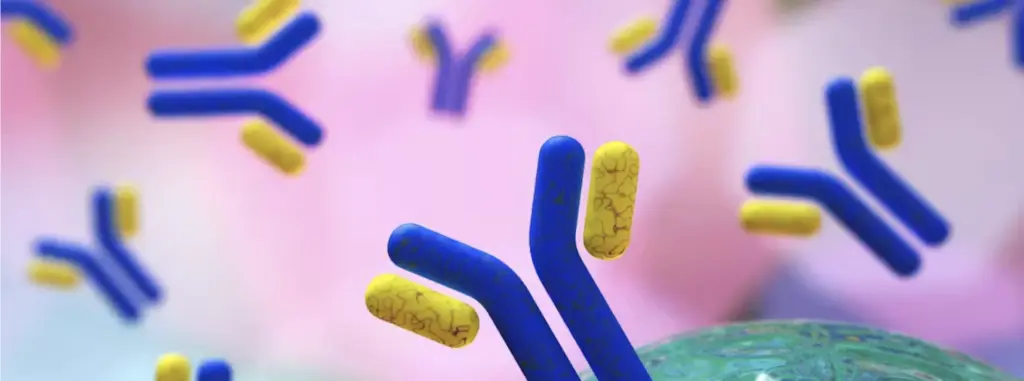
A Functional Health Perspective on Immune Resilience, Decline, and Restoration
Executive Summary
The human immune system is not a standalone defence mechanism that activates only during illness. It is a distributed, intelligent regulatory system woven into digestion, metabolism, hormones, the nervous system, sleep, circadian rhythm, and cellular repair. When these systems are aligned, immunity operates quietly, precisely, and efficiently. When they are chronically disrupted, immunity does not fail suddenly. It degrades slowly, adapts poorly, and eventually collapses under stress.
Modern life has accelerated this degradation. Highly processed diets, repeated antibiotic exposure, chronic psychological stress, disrupted sleep, sedentary behaviour, environmental toxins, and fragmented medical care have reshaped immune biology within a single generation. The outcome is not merely more infections, but a steady rise in chronic inflammation, autoimmune disease, immune exhaustion, poor recovery, and catastrophic immune failure.
In 2025, I lost my mother to sepsis at the age of 87. I also lost a close friend—only 60 years old—to the same condition. Sepsis represents the final common pathway of immune collapse: a system that has lost the ability to regulate inflammation, contain infection, and protect the body from its own defensive response. These outcomes are becoming more common not because microbes are stronger, but because immune resilience is weaker.
This white paper explains, in simple language, how the immune system truly works, how it integrates with other body systems, how modern life quietly dismantles immune resilience, how early immune decline can be recognised long before diagnosis, why conventional medicine often misses this process, and how a structured functional health, nutrition, and longevity approach restores immune resilience through a coherent seven‑systems framework.
What the Immune System Really Is
The immune system is often described as an internal army designed to fight germs. This metaphor is incomplete and misleading. The immune system is better understood as a biological intelligence network whose primary role is regulation and decision‑making. Every day it must decide what to tolerate, what to repair, what to attack, and when to stand down.
Immune cells are distributed throughout the body—in the gut lining, blood, skin, lungs, lymphatic system, brain, and metabolic tissues. They continuously sense microbes, damaged tissue, nutrient status, metabolic stress, toxins, and emotional threat signals. A healthy immune system responds proportionately, resolves inflammation efficiently, repairs tissue, and learns from experience. Most of the time, when immunity is functioning well, we are unaware of it.
Problems arise not when immunity responds, but when regulation is lost. Chronic inflammation, autoimmunity, frequent infections, allergies, slow healing, and immune exhaustion are not signs of a weak immune system. They are signs of a confused one.
The immune system operates through two inseparable layers. Innate immunity provides rapid pattern recognition and early containment. Adaptive immunity provides precision, memory, and long‑term protection. These layers are not independent. They depend on accurate signalling from the gut, metabolism, nervous system, and hormonal rhythms. More immune activity is not better. Better regulation is better.
Immune Integration With the Whole Body
Immunity cannot be separated from the rest of physiology. Around seventy percent of immune tissue is associated with the gut, where immune cells learn tolerance and restraint. A healthy gut barrier and diverse microbiome train immune intelligence. A damaged gut trains immune reactivity.
Metabolic health determines immune energy. Immune responses are energetically expensive. Blood sugar instability and insulin resistance push immune cells toward inflammatory behaviour while impairing their ability to resolve responses. At the same time, nutrient‑poor diets deprive immune cells of the structural materials required for repair and signalling.
The nervous system continuously informs the immune system whether the environment is safe or threatening. Chronic psychological stress and poor sleep keep immune signalling locked in a constant threat state. This suppresses repair and exaggerates inflammation. Hormonal rhythms provide timing cues for immune activity. When circadian alignment is disrupted, immune responses become poorly coordinated.
Immune cells also play a central role in cellular cleanup and cancer surveillance. When immune repair capacity declines, damaged cells accumulate, tissues age faster, and disease risk rises. Immune dysfunction is therefore not a single‑system failure, but a reflection of systemic misalignment.
How Modern Life Degrades Immune Function
Modern diets often supply calories without immune nourishment. Ultra‑processed foods displace the vitamins, minerals, amino acids, essential fats, and plant compounds required for immune signalling, antioxidant defence, and tissue repair. Repeated blood sugar spikes and inflammatory fats train immune cells into chronic low‑grade activation.
Antibiotics, while lifesaving, have profoundly altered immune biology by disrupting the gut microbiome—the primary training ground of immunity. Repeated exposure reduces microbial diversity, immune tolerance, and recovery capacity. Antibacterial environments, reduced outdoor exposure, and sterile living conditions further diminish immune education.
Chronic psychological stress keeps immune signalling locked in threat mode. Sleep disruption fragments immune memory formation and repair. Sedentary living reduces immune surveillance and lymphatic flow, while excessive or poorly recovered exercise suppresses immune resilience.
Environmental toxins add a constant inflammatory burden, diverting immune resources away from defence and repair. These pressures accumulate gradually. Immune decline is adaptive at first and therefore invisible—until resilience is gone.
Early Signs of Immune Degradation
Immune decline whispers before it shouts. Frequent or lingering infections, slow recovery from illness, chronic fatigue that rest does not fix, digestive discomfort, increasing allergies or sensitivities, low‑grade inflammation, joint stiffness, skin issues, poor stress tolerance, mood instability, and slow wound healing are early signals.
These symptoms are often normalised as ageing or stress. In reality, they reflect an immune system struggling to regulate, resolve, and repair. By the time immune dysfunction is diagnosed as disease, the biological groundwork has often been laid decades earlier.
Sepsis: The Final Stage of Immune Collapse
Sepsis is not simply a severe infection. It is a loss of immune control. In sepsis, inflammatory signalling becomes chaotic and self‑destructive. Blood vessels leak, blood pressure falls, organs fail, and the immune system damages the body it is meant to protect.
This collapse does not arise suddenly. It occurs when immune tolerance, metabolic reserves, gut integrity, stress resilience, and repair capacity have already been eroded. Age increases risk, but accelerated immune ageing explains why sepsis increasingly affects younger individuals.
The deaths of my mother at 87 and my friend at 60 reflect a modern reality: immune collapse is becoming more common because immune resilience is no longer being built. Modern medicine is exceptional at treating sepsis acutely, but it is not designed to address the decades‑long immune degradation that made collapse possible.
Why Conventional Medicine Misses Immune Decline
Conventional medicine is built to solve urgent, clearly defined problems. Its greatest strength is crisis intervention—identifying infections, suppressing dangerous inflammation, replacing failing organs, and stabilising life‑threatening events. When the immune system is already failing, this model saves lives.
Immune decline, however, does not behave like an emergency. It unfolds slowly, diffusely, and across multiple systems. Early immune degradation rarely produces a single abnormal test result. Blood markers often fall within reference ranges designed to detect disease, not declining resilience. Symptoms fluctuate, compensate, and fragment across specialties.
When symptoms escalate, conventional care responds logically with suppression. Inflammation is reduced, immune activity is dampened, pathogens are eliminated. These interventions are often necessary and lifesaving. What they do not do is restore immune regulation. Suppressing expression does not rebuild gut integrity, replenish nutrient reserves, correct metabolic instability, realign circadian rhythms, or recalibrate chronic stress signalling.
This is not a failure of medicine. It is a mismatch of models. Loss of immune regulation is not a diagnosis. It is a biological trajectory that requires a different framework to recognise and reverse early.
Rebuilding Immunity Through a Seven‑Systems Functional Approach
Functional health guidance begins earlier and works differently. It does not attempt to aggressively stimulate immunity or chase isolated markers. It restores the conditions that allow immune intelligence to re‑emerge naturally.
The process follows biological order. Gut integrity and microbial diversity are restored first, re‑educating immune tolerance. Nutrient sufficiency is rebuilt next, providing the structural materials immune cells require. Metabolic stability restores immune energy and resolution capacity.
Nervous system regulation reduces false danger signalling and chronic immune activation. Circadian and hormonal alignment restore immune timing for repair and memory formation. Inflammatory and toxic load is reduced, freeing immune resources. Finally, lifestyle and environment are structured to sustain resilience long‑term.
This approach respects physiology. It works patiently and sequentially. It restores regulation rather than suppressing expression. When immune resilience is rebuilt early and systematically, the immune system does what it has always evolved to do—protect, repair, adapt, and sustain life across the years.
Final Thoughts
Immune collapse is not inevitable. Sepsis is not random. They are the endpoints of long biological stories that begin quietly in daily life.
When immunity is understood as an integrated system—and supported accordingly—it becomes calm, precise, and resilient. This is the immune system that protects against infection, chronic disease, cancer, and frailty, and supports longevity with strength rather than decline.
Immune resilience is not built in hospitals. It is built every day, long before crisis appears.
References
Bland, J.S. (2013). The Disease Delusion.
Calder, P.C. et al. (2020). Nutrition, immunity and viral infection. BMJ Nutrition, Prevention & Health.
Macciochi, J. (2020). Immunity: The Science of Staying Well.
Nicholson, J.K. et al. (2012). Host–gut microbiota metabolic interactions. Science.
Renz, H., Brandtzaeg, P. & Hornef, M. (2012). Immune development and homeostasis. Nature Reviews Immunology.
About Mathew Gomes
Functional Health, Nutrition & Longevity Coach
Mathew Gomes is a Functional Health, Nutrition & Longevity Coach helping busy professionals reverse early health decline before it becomes disease. Trained in Functional Nutrition Coaching (AAFH) and certified in executive coaching (ICF, EMCC), with an engineering background and MBA, he brings systems thinking and strategic clarity to health restoration.
Shaped by senior leadership experience and a personal health crisis, Mathew uses functional assessment and targeted testing to identify root causes and coordinate personalised nutrition, metabolic repair, strength training, nervous-system regulation, sleep and recovery. He works alongside doctors for diagnosis and medication while building resilient, sustainable health—so clients regain energy, focus and confidence without guesswork.
Disclaimer
This white paper is provided for educational and informational purposes only. It is not intended to diagnose, treat, cure, prevent, or provide medical advice for any disease or health condition.
The author is a Functional Health, Nutrition and Longevity Coach, not a medical doctor. The content presented reflects a functional, educational perspective on health, lifestyle, nutrition, and risk factors, and is designed to support informed self-care and productive conversations with qualified healthcare professionals. Nothing in this document should be interpreted as a substitute for medical advice, diagnosis, or treatment from a licensed physician or other qualified healthcare provider. Readers should not start, stop, or change any medication, supplement, or medical treatment without consulting their prescribing clinician.
Individual responses to nutrition, lifestyle, supplements, and coaching strategies vary. Any actions taken based on this information are done at the reader’s own discretion and responsibility. If you have a medical condition, are taking prescription medication, or have concerns about your health, you are advised to seek guidance from a licensed healthcare professional before making changes.