
Restoring Energy and Stress Resilience in a High-Demand World Performers

Executive Summary
Modern life places continuous demands on human biology. Long work hours, constant mental stimulation, emotional pressure, irregular sleep, poor nutrition, environmental toxins, repeated infections, and unresolved stress keep the body in a near-permanent state of alert. Over time, this overwhelms the body’s primary stress-adaptation system: the adrenal glands.
Adrenal fatigue describes a functional breakdown in stress adaptation, not a disease of damaged organs. The adrenal system loses its ability to produce, regulate, and clear stress hormones efficiently. The result is persistent fatigue, unstable energy, disrupted sleep, reduced stress tolerance, mood changes, weakened immunity, metabolic instability, and slower recovery.
Because conventional medicine focuses on late-stage disease, this earlier, reversible phase is often missed. People are told tests are normal while their daily experience deteriorates. Functional health approaches the problem differently by identifying early dysfunction, restoring rhythm, and rebuilding capacity rather than suppressing symptoms.
This paper explains adrenal fatigue in practical terms, showing how stress accumulates biologically, how cortisol becomes dysregulated, why exercise can heal or harm depending on timing and intensity, and how daily choices either drain or restore resilience. It also explains how functional health guidance provides structure, sequencing, and safety, turning recovery from guesswork into a predictable process.
Adrenal fatigue is not permanent. When the right signals are restored, recovery is expected.
- The Adrenal Glands and Everyday Life
The adrenal glands exist to help the body adapt. Every demand—illness, deadlines, emotional strain, lack of sleep, hunger, fear, excitement—is translated into biological signals through this system.
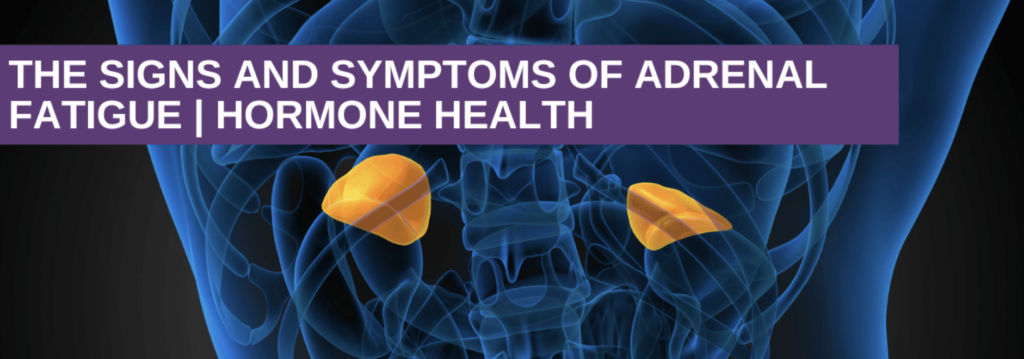
Despite their small size, the adrenals influence nearly every system: energy production, blood sugar, blood pressure, inflammation, immunity, digestion, mood, cognition, and sleep–wake rhythm. When adrenal function is healthy, stress responses rise and fall appropriately. Energy is mobilised when needed and released once the demand passes.
When adrenal function is strained, this rhythm breaks down. Stress hormones linger too long or appear at the wrong times. The body remains in a state of readiness even when no action is required. Over time, this erodes energy, focus, emotional stability, immunity, and recovery.
This is why adrenal fatigue affects far more than tiredness. It alters how well you think, cope, heal, and engage with life.
- What Adrenal Fatigue Really Is
Adrenal fatigue develops when stress demand consistently exceeds recovery capacity. It often begins quietly. Some people can identify a trigger—illness, prolonged overwork, emotional shock—while for others it builds gradually through cumulative stress.
In healthy physiology, adrenal hormones are produced in precise amounts and cleared efficiently. Cortisol follows a daily rhythm: higher in the morning to support activity, declining through the day, and lowest at night to allow sleep and repair.
In adrenal fatigue, this rhythm becomes distorted. Morning cortisol may be too low, making waking difficult. Cortisol may spike unpredictably during the day, causing anxiety or crashes. Evening cortisol may remain elevated, producing the familiar “tired but wired” pattern that disrupts sleep.
This is not laziness, aging, or psychological weakness. It is the predictable biological outcome of prolonged stress without adequate recovery. People often continue functioning outwardly, but at increasing internal cost. Life feels heavier, effort increases, and resilience declines.
Left unaddressed, adrenal fatigue weakens every system that depends on stress regulation, creating vulnerability to chronic illness.
- Cortisol: Production, Clearance, and the Stress Trap
Cortisol is essential. It mobilises energy, stabilises blood sugar, regulates inflammation, supports blood pressure, and sharpens focus. Problems arise not from cortisol itself, but from chronic dysregulation.
Two factors matter: how cortisol is produced and how it is cleared.
Daily psychological stress—emails, deadlines, conflict, worry, noise—triggers cortisol without physical discharge. The body prepares for action, but no action occurs. Cortisol remains elevated longer than intended.
Exercise, when appropriately dosed, allows cortisol to be used and cleared. Muscles consume fuel, inflammation resolves, and the nervous system receives a signal that the stress cycle is complete.
However, in adrenal fatigue, excessive or intense exercise becomes another stressor. Cortisol rises without adequate recovery, deepening depletion. This is why exercise can either heal or worsen adrenal fatigue.
Supportive exercise:
- matches current energy capacity
- improves sleep rather than disrupting it
- leaves the body calmer, not depleted
Walking, gentle resistance, mobility work, and controlled breathing often restore cortisol rhythm better than high-intensity training during recovery. Functional guidance helps determine what level of exercise supports cortisol clearance rather than prolonging stress.
- Why Adrenal Fatigue Is Missed—and Why Functional Health Works
Conventional medicine looks for disease. Adrenal fatigue exists before disease develops, in the space where lab values may still appear normal.
Functional health asks a different question: “Is the body adapting well?” It looks for patterns across energy, sleep, mood, blood sugar stability, stress tolerance, immune resilience, and recovery speed.
Functional guidance supports recovery by:
- identifying hidden stressors that continue to drain reserves
- restoring sleep and circadian rhythm before pushing performance
- stabilising blood sugar to reduce adrenal demand
- sequencing exercise safely to rebuild capacity
- correcting nutritional gaps that impair hormone production
- preventing overcorrection that leads to setbacks
Without guidance, many people unknowingly delay recovery by resting too little, exercising too hard, fasting excessively, or relying on stimulants to mask fatigue.
Functional health guidance replaces trial-and-error with structure.
- The Recovery Process: What to Do, When, and How
Recovery from adrenal fatigue is about rebuilding adaptive capacity, not forcing energy.
- Sleep comes first. Regular sleep timing restores hormonal rhythm more effectively than supplements. Earlier nights, consistent wake times, and natural light exposure allow cortisol patterns to normalise.
- Nutrition stabilises the system. Regular meals prevent blood sugar crashes that force adrenal compensation. Adequate protein supplies hormone building blocks. Minerals support blood pressure and nerve signalling. Whole foods reduce inflammatory load.
- Stress exposure must be reduced strategically. This does not mean avoiding responsibility, but removing unnecessary drains and responding earlier to warning signs.
- Exercise is reintroduced gradually. Movement should leave you clearer and steadier, not exhausted. As resilience improves, intensity can be rebuilt safely.
- Emotional load matters. Unresolved conflict, suppressed emotion, and chronic dissatisfaction keep cortisol elevated even during rest. Recovery often requires boundaries, perspective shifts, and the reintroduction of enjoyment.
Functional health guidance ensures these steps occur in the correct order, shortening recovery time and preventing relapse.
Final Thoughts: Adrenal Fatigue as a Turning Point
Adrenal fatigue is not failure. It is feedback. It signals that the body has adapted for too long without restoration. When recognised early, it becomes an opportunity—not only to regain energy, but to build a more resilient foundation for long-term health and longevity.
When stress, recovery, nourishment, movement, and meaning align with human biology, the adrenal system works quietly in the background, exactly as intended.
About Mathew Gomes
Functional Health, Nutrition & Longevity Coach
Mathew Gomes is a Functional Health, Nutrition & Longevity Coach helping busy professionals reverse early health decline before it becomes disease. Trained in Functional Nutrition Coaching (AAFH) and certified in executive coaching (ICF, EMCC), with an engineering background and MBA, he brings systems thinking and strategic clarity to health restoration.
Shaped by senior leadership experience and a personal health crisis, Mathew uses functional assessment and targeted testing to identify root causes and coordinate personalised nutrition, metabolic repair, strength training, nervous-system regulation, sleep and recovery. He works alongside doctors for diagnosis and medication while building resilient, sustainable health—so clients regain energy, focus and confidence without guesswork.
References
Bland, J.S. (2017) The Disease Delusion: Conquering the Causes of Chronic Illness for a Healthier, Longer, and Happier Life. New York: Houghton Mifflin Harcourt.
Bickman, B. (2020) Why We Get Sick: The Hidden Epidemic at the Root of Most Chronic Disease—and How to Fight It. Dallas: BenBella Books.
Gordon, G. (1990) Total Wellness: Understanding the Body–Mind–Spirit Connection. New York: HarperCollins.
Phinney, S.D. and Volek, J.S. (2011) The Art and Science of Low Carbohydrate Living. Miami: Beyond Obesity LLC.
Porges, S.W. (2011) The Polyvagal Theory: Neurophysiological Foundations of Emotions, Attachment, Communication, and Self-Regulation. New York: W.W. Norton & Company.
Wilson, J.L. (2001) Adrenal Fatigue: The 21st Century Stress Syndrome. Petaluma, CA: Smart Publications.
Disclaimer
This white paper is provided for educational and informational purposes only. It is not intended to diagnose, treat, cure, prevent, or provide medical advice for any disease or health condition.
The author is a Functional Health, Nutrition and Longevity Coach, not a medical doctor. The content presented reflects a functional, educational perspective on health, lifestyle, nutrition, and risk factors, and is designed to support informed self-care and productive conversations with qualified healthcare professionals. Nothing in this document should be interpreted as a substitute for medical advice, diagnosis, or treatment from a licensed physician or other qualified healthcare provider. Readers should not start, stop, or change any medication, supplement, or medical treatment without consulting their prescribing clinician.
Individual responses to nutrition, lifestyle, supplements, and coaching strategies vary. Any actions taken based on this information are done at the reader’s own discretion and responsibility. If you have a medical condition, are taking prescription medication, or have concerns about your health, you are advised to seek guidance from a licensed healthcare professional before making changes.