
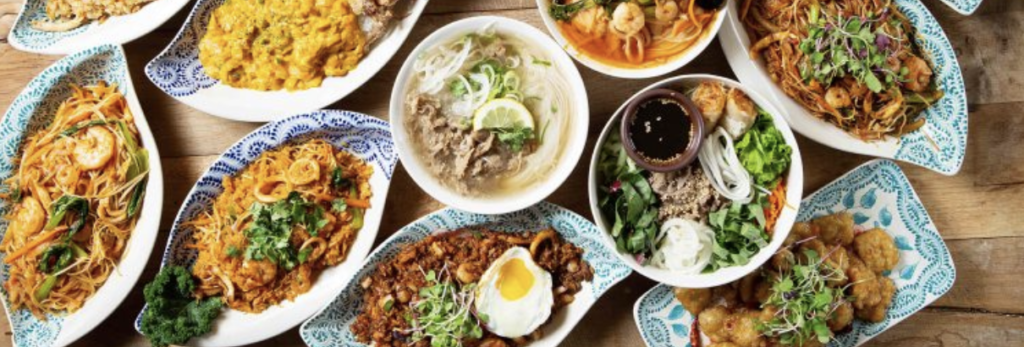
From Tradition to Transformation
Executive Summary
For much of history, the traditional diets of South Asia, China, and Southeast Asia supported resilience, metabolic balance, and long-term health. These food cultures were built around whole grains, legumes, vegetables, fermented foods, modest protein, traditional fats, and medicinal spices—patterns that naturally stabilised blood sugar, supported gut health, and kept inflammation low. Food was seasonal, minimally processed, and embedded in social and cultural rituals that reinforced mindful eating and moderation.
Over the past few decades, this protective foundation has been steadily eroded. Rapid urbanisation, industrial food systems, and globalised supply chains have reshaped the Eastern plate. Refined carbohydrates have replaced diverse whole grains, industrial seed oils have displaced traditional fats, sugar consumption has risen sharply, and protein quality and adequacy have declined. Meals once prepared fresh at home are increasingly replaced by packaged, fried, and ultra-processed foods. These shifts have introduced profound metabolic stress, fuelling chronic low-grade inflammation, insulin resistance, gut dysfunction, and nutrient dilution.
The health consequences are now unmistakable. Conditions once considered “Western diseases”—type 2 diabetes, obesity, cardiovascular disease, fatty liver disease, and inflammatory disorders—have surged across Asia, often affecting people earlier in life and at lower body weights. This epidemic is not driven by genetics or cultural failure, but by a mismatch between ancient biology and modern dietary patterns.
This white paper argues that the path forward does not require abandoning Eastern food traditions, nor blindly adopting Western dietary models. Instead, it calls for a deliberate return to first principles—reclaiming the functional strengths of traditional Eastern diets while adapting them to modern lifestyles. By rebalancing fats, restoring grain diversity, elevating plant intake, using spices intentionally, prioritising high-quality protein, and re-establishing mindful eating practices, individuals and communities can significantly reduce inflammation and restore metabolic resilience.
Modern nutrition science now confirms what traditional wisdom long understood: food functions as daily medicine. When tradition is aligned with evidence-based understanding, the Eastern plate becomes a powerful tool for preventing and reversing lifestyle-driven chronic disease. The choice facing societies today is not between tradition and progress, but between continued decline and conscious renewal. The opportunity lies in transforming how we eat—one plate, one meal, and one choice at a time.
The Eastern Plate: Then and Now
For much of history, the daily meals across South Asia, China, and Southeast Asia were deeply tied to the land, the seasons, and centuries of culinary wisdom. Food was not only sustenance but medicine, ritual, and a reflection of balance.
In South Asia, the diet was anchored in lentils and pulses, which provided steady protein, slow-burning carbohydrates, and essential minerals. Grains like millet, sorghum, and barley were staples before polished white rice became dominant. Vegetables were eaten in abundance, often paired with spices such as turmeric, cumin, coriander, and fenugreek—not only for flavor but also for their digestive and anti-inflammatory benefits. Dairy appeared in small amounts, often as yogurt or ghee, supporting gut health and providing fat-soluble nutrients. Fish was more common along the coasts, while inland communities relied more heavily on legumes and grains.
In China, the plate centered around rice or millet, complemented by soy products such as tofu and miso. Seasonal greens like bok choy, mustard greens, and Chinese cabbage were stir-fried or steamed lightly, preserving their nutrients. Mushrooms, with their immune-boosting properties, were regular additions. Meat was not a daily indulgence; instead, modest portions of pork, duck, or fish were used more as flavor enhancers than the main attraction. Green tea was a daily ritual, offering antioxidants and a calming rhythm to meals.
In Southeast Asia, the cuisine reflected its tropical abundance. Rice was the foundation, paired with vegetables, tropical fruits, and fresh herbs like lemongrass, basil, and coriander. Coconut milk and grated coconut added richness, while fermented fish sauces and pickled vegetables supported gut health and added depth of flavor. Fish and shellfish from rivers and seas provided protein, while chili, ginger, and garlic lent both spice and medicinal value. Meals were vibrant, colorful, and deeply nourishing.
Despite regional differences, there were shared principles. Meals were plant-forward, fiber-rich, and full of phytonutrients. Animal protein was present but not excessive. Food was cooked fresh, consumed in balance, and often enjoyed in the company of family and neighbors. Eating was as much about connection and community as it was about calories or nutrients.
But in the last few decades, this balance began to erode. With urbanization, industrial farming, and globalized food chains, the Eastern plate shifted. Refined vegetable oils replaced traditional fats, packaged snacks became convenient stand-ins for home-cooked foods, and sugary beverages crept into daily life. White rice displaced ancient grains, while fried fast foods and bakery items began to dominate city streets and family kitchens.
This new pattern, once unfamiliar in the East, now echoes the hallmarks of the Western diet: refined carbohydrates, poor-quality fats, and nutrient dilution. The protective power of traditional foodways has weakened, and in its place, the risks of obesity, diabetes, and cardiovascular disease have risen sharply.
Why the Modern Eastern Diet Fuels Inflammation
The transformation of the Eastern diet over the past few decades has been dramatic. What was once a protective, plant-rich way of eating has gradually given way to a pattern dominated by refined products, industrial oils, and convenience foods. While these changes have offered affordability and speed, they have quietly introduced biochemical imbalances that fan the flames of chronic inflammation in the body.
One of the most striking shifts has been in the types of fats consumed. Traditional fats—such as sesame oil in China, mustard oil in India, or coconut oil in Southeast Asia—were minimally processed and often used sparingly, imparting both flavor and health benefits. With globalization and the rise of industrial agriculture, these natural fats were replaced by cheaper oils like soybean, sunflower, and palm oil. These oils are rich in omega-6 fatty acids. While omega-6s are not harmful in themselves, the problem arises when they flood the diet without a balancing intake of omega-3s. The human body thrives on a delicate ratio of these fats, yet modern diets in Asia have tipped that balance dramatically, promoting a state of chronic low-grade inflammation that underpins conditions such as arthritis, diabetes, and heart disease.
At the same time, the fiber-rich foundation of the traditional Eastern plate began to erode. Legumes, pulses, and whole grains—once daily staples—have often been replaced by polished white rice and refined flour products. This loss of dietary fiber has consequences that reach far beyond digestion. A thriving gut microbiome depends on fiber for nourishment, and without it, the balance of healthy bacteria shifts. Blood sugar regulation also becomes more difficult, with sharp spikes and crashes that stress the pancreas and accelerate the development of insulin resistance. Furthermore, fiber has a protective role against cancers of the colon, breast, and reproductive system—so its decline in the diet removes a natural shield that traditional foods once provided.
Adding to this imbalance is the surge in sugar consumption. In many urban centers across South and Southeast Asia, sweetened beverages, packaged snacks, bakery items, and desserts are no longer occasional indulgences but daily companions. These refined sugars flood the bloodstream quickly, overwhelming insulin signaling and driving fat storage. Over time, this constant demand on the body’s metabolic system creates insulin resistance—the key engine of type 2 diabetes. Once rare in Asia, diabetes has become one of the region’s most pressing public health threats, affecting younger populations than ever before.
Protein intake has also shifted. Traditionally, Eastern diets featured lentils, soy, pulses, fish, and small portions of meat. These foods provided steady protein for repair, muscle maintenance, and satiety. Today, however, protein is often sidelined in favor of deep-fried carbohydrate snacks, processed meats, or poor-quality fast food. This creates “protein gaps,” where the body struggles to maintain muscle mass, immune resilience, and proper hormone balance. In middle-aged and older adults, this gap accelerates muscle loss and frailty, compounding the risk of metabolic and cardiovascular disease.
The result of all these changes has been predictable yet alarming. Across South Asia, diabetes rates are rising at a pace the healthcare systems can hardly keep up with. In China, obesity has grown from a rarity to a widespread challenge within a single generation. In Southeast Asia, cardiovascular disease is emerging as a leading cause of death, overtaking infectious diseases that once dominated. In short, illnesses that were once labeled “Western diseases” have firmly taken root in the East, carried not by genetic shifts but by changes in what is placed daily on the plate.
The Path Back: Building a Less Inflammatory Eastern Diet
The beauty of Eastern food traditions is that they already contain the blueprint for health. The solution is not to strip away familiar dishes or cultural identity—it is to rediscover their original strength. The anti-inflammatory approach doesn’t fight against tradition, it works with it. It brings back the nutrient-dense, balanced elements that once defined the Eastern plate, while gently replacing the modern additions that fuel disease.
Rebalance Fats
For many households, cooking oil is the invisible foundation of daily meals. Over the past few decades, cold-pressed oils such as sesame, mustard, and coconut were slowly replaced by cheap, industrially refined seed and vegetable oils. These oils, often processed with chemicals and heat, are high in omega-6 fatty acids that tip the body toward chronic inflammation. Restoring balance means returning to oils that have always been part of regional traditions—cold-pressed sesame in South Asia, mustard oil in Bengal, coconut oil in coastal regions, and olive oil where Mediterranean influences apply. At the same time, foods rich in omega-3s, such as small oily fish like sardines or mackerel, pasture-raised eggs, walnuts, and flaxseeds, can calm inflammation and protect the heart and brain. This is less about adopting new foods and more about restoring forgotten wisdom.
Diversify Grains
Rice and wheat have become near-exclusive staples in much of Asia, but this was not always the case. Traditional diets included a wide variety of grains such as millet, buckwheat, barley, sorghum, and red or black rice. These grains not only add flavor and texture but also help stabilize blood sugar, increase fiber intake, and provide a richer set of micronutrients. Swapping some of the polished white rice with brown rice or millet, or using buckwheat noodles instead of refined flour noodles, lowers glycemic load and supports gut health. Even small changes—rotating grains through the week rather than sticking to just one—can significantly reduce metabolic strain on the body.
Elevate Plants and Colors
In many traditional kitchens, vegetables were not side dishes but central to the plate. Over time, however, busy lifestyles and processed foods pushed vegetables into the background. A powerful step toward an anti-inflammatory diet is to once again fill half the plate with plants. Leafy greens such as spinach, mustard greens, or bok choy support detoxification; cruciferous vegetables like broccoli, cabbage, and cauliflower provide compounds that lower cancer risk; gourds and pumpkins offer hydration and gentle fiber; mushrooms boost immune health; and fresh herbs like coriander, basil, and mint deliver antioxidants and refreshing flavor. Eating with color is more than aesthetic—different pigments reflect diverse phytonutrients, each acting as a shield against inflammation, oxidative stress, and premature aging.
Spices as Medicine
Eastern kitchens have always been home to one of the most powerful pharmacies in the world: the spice rack. Turmeric, with its active compound curcumin, reduces systemic inflammation. Ginger supports digestion and relieves oxidative stress. Garlic helps regulate blood pressure and cholesterol. Cinnamon improves blood sugar control, while chili peppers stimulate metabolism and circulation. Using these spices daily is not only about taste—it is about building protective layers for the body. When prepared with care, spices make every meal both delicious and medicinal.
Protein with Intention
Protein was traditionally obtained from humble but powerful sources: lentils, beans, fermented soy, and modest amounts of fish or poultry. These foods provided essential amino acids for repair, resilience, and strength without overwhelming the body with excess saturated fat or harmful additives. Re-centering protein in the form of pulses, dal, tofu, tempeh, and seasonal legumes ensures a strong foundation for muscle and metabolism. Adding fish or lean poultry a few times a week brings variety and essential fatty acids. Red meat, once reserved for festivals or special occasions, can return to its role as an occasional rather than daily food. Avoiding heavily processed meats—sausages, nuggets, and deep-fried preparations—closes one of the biggest doors to inflammation and chronic disease.
Mindful Meals
How food is eaten is as important as what is eaten. Traditional Eastern households once practiced mindful meals without naming it—sitting down with family, eating slowly, appreciating flavors, and stopping when satisfied. Today, rushed lifestyles, eating in front of screens, or using food as an emotional escape have disrupted that rhythm. By slowing down, chewing thoroughly, and listening to hunger and fullness cues, digestion improves, nutrient absorption increases, and overeating declines. Meals become moments of connection and nourishment instead of stress. Mindful eating also helps the body regulate blood sugar and hormones, further lowering the burden of inflammation.
Moving Forward
The story of food in the East is at a crossroads. On one side lies the path of convenience—fast foods fried in cheap oils, sugary drinks that flood markets, and processed snacks packaged for speed but stripped of nutrients. This path feels easy, but it silently builds the foundation for diabetes, obesity, heart disease, and premature aging. It is the path of short-term satisfaction with long-term consequences.
On the other side lies the path of renewal—embracing the strength of tradition in its purest form. This is not about returning to scarcity or austerity, but about rediscovering the wisdom of meals built on fresh vegetables, legumes, spices, fish, and whole grains. It is a path that values diversity on the plate, seasonal produce, and cooking methods that preserve nutrients rather than destroy them.
The decision plays out every day, often in small moments: choosing tea over a soda, millet over refined flour, steamed vegetables over fried snacks. Each choice tilts the balance either toward inflammation and decline or toward resilience and vitality. The more often the body is nourished with anti-inflammatory, nutrient-dense foods, the more it resists the chronic diseases that now claim millions of lives across Asia.
This movement forward does not require abandoning modern science or cultural comfort. In fact, it thrives when tradition meets evidence-based nutrition. Science confirms what our ancestors already practiced—fiber protects the gut, spices lower inflammation, fish oils strengthen the heart, and mindful eating enhances digestion. The blending of ancient wisdom and modern understanding creates a powerful shield against lifestyle diseases.
The invitation is simple yet profound: to reclaim the original strength of Eastern diets while adjusting them for today’s realities. It is a chance to not only honor cultural identity but also to secure energy, clarity, and longevity. Families that embrace this shift don’t just eat differently—they live differently. They experience meals as medicine, food as community, and diet as a foundation for both health and heritage.
About Mathew Gomes
Functional Health, Nutrition & Longevity Coach
Mathew Gomes is a Functional Health, Nutrition & Longevity Coach helping busy professionals reverse early health decline before it becomes disease. Trained in Functional Nutrition Coaching (AAFH) and certified in executive coaching (ICF, EMCC), with an engineering background and MBA, he brings systems thinking and strategic clarity to health restoration.
Shaped by senior leadership experience and a personal health crisis, Mathew uses functional assessment and targeted testing to identify root causes and coordinate personalised nutrition, metabolic repair, strength training, nervous-system regulation, sleep and recovery. He works alongside doctors for diagnosis and medication while building resilient, sustainable health—so clients regain energy, focus and confidence without guesswork.
References
Bland, J.S. (2014) The Disease Delusion: Conquering the Causes of Chronic Illness for a Healthier, Longer, and Happier Life. New York: Hachette Book Group.
Bickman, B. (2022) Why We Get Sick: The Hidden Epidemic at the Root of Most Chronic Disease—and How to Fight It. Dallas: BenBella Books.
Cordain, L. (2010) The Paleo Diet Revised. Hoboken, NJ: John Wiley & Sons.
Pollan, M. (2008) In Defense of Food: An Eater’s Manifesto. New York: Penguin Press.
Willett, W. and Stampfer, M. (2013) Eat, Drink, and Be Healthy: The Harvard Medical School Guide to Healthy Eating. New York: Free Press.Yong, E. (2016) I Contain Multitudes: The Microbes Within Us and a Grander View of Life. London: The Bodley Head.